Highlight
The Strait of Hormuz remains practically closed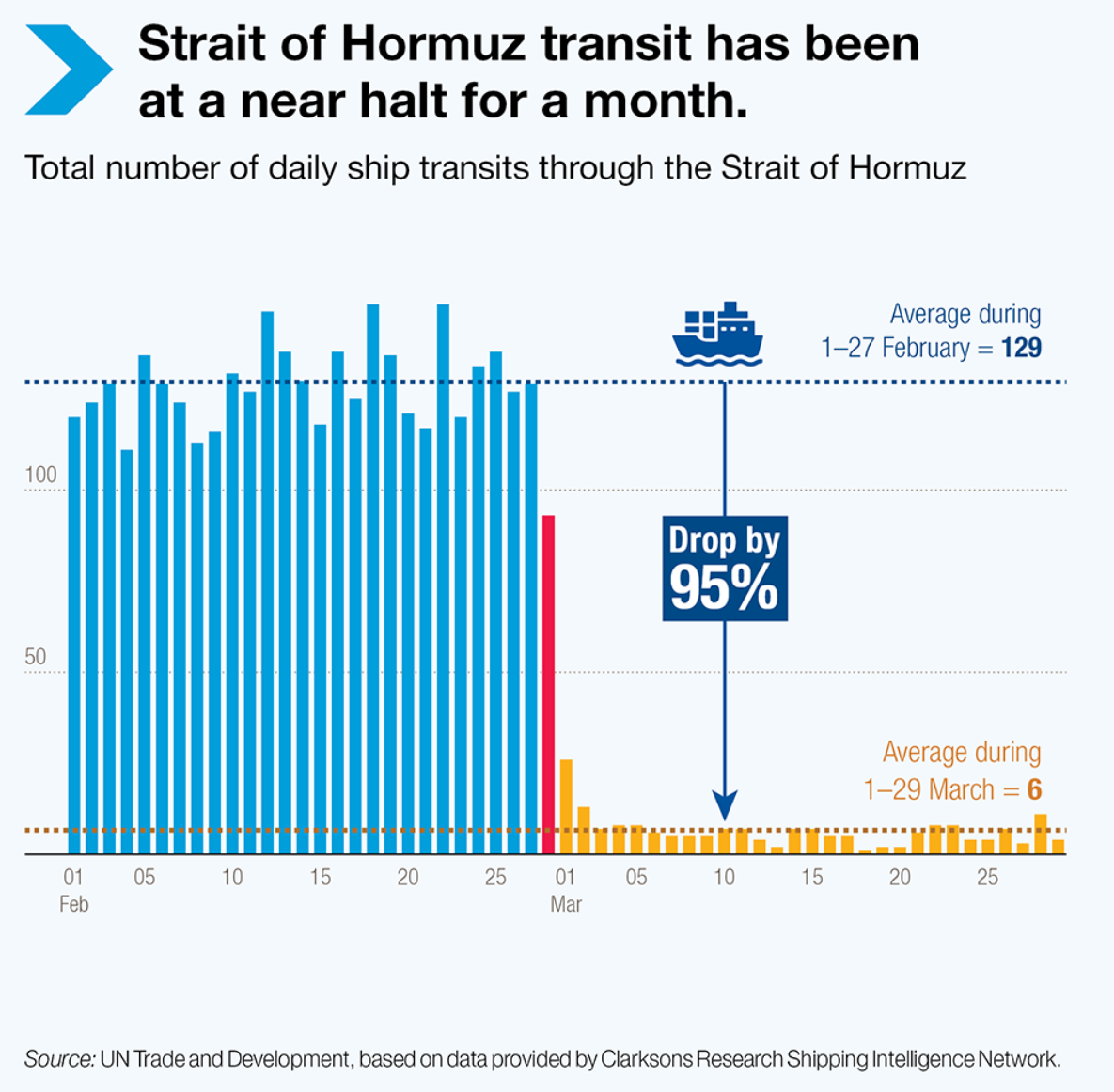
Under normal conditions, it is one of the world’s most vital arteries of energy-related trade, accounting for a significant share of global oil and gas supplies – the foundation of much of what the world produces, trades and consumes.
Key takeaways
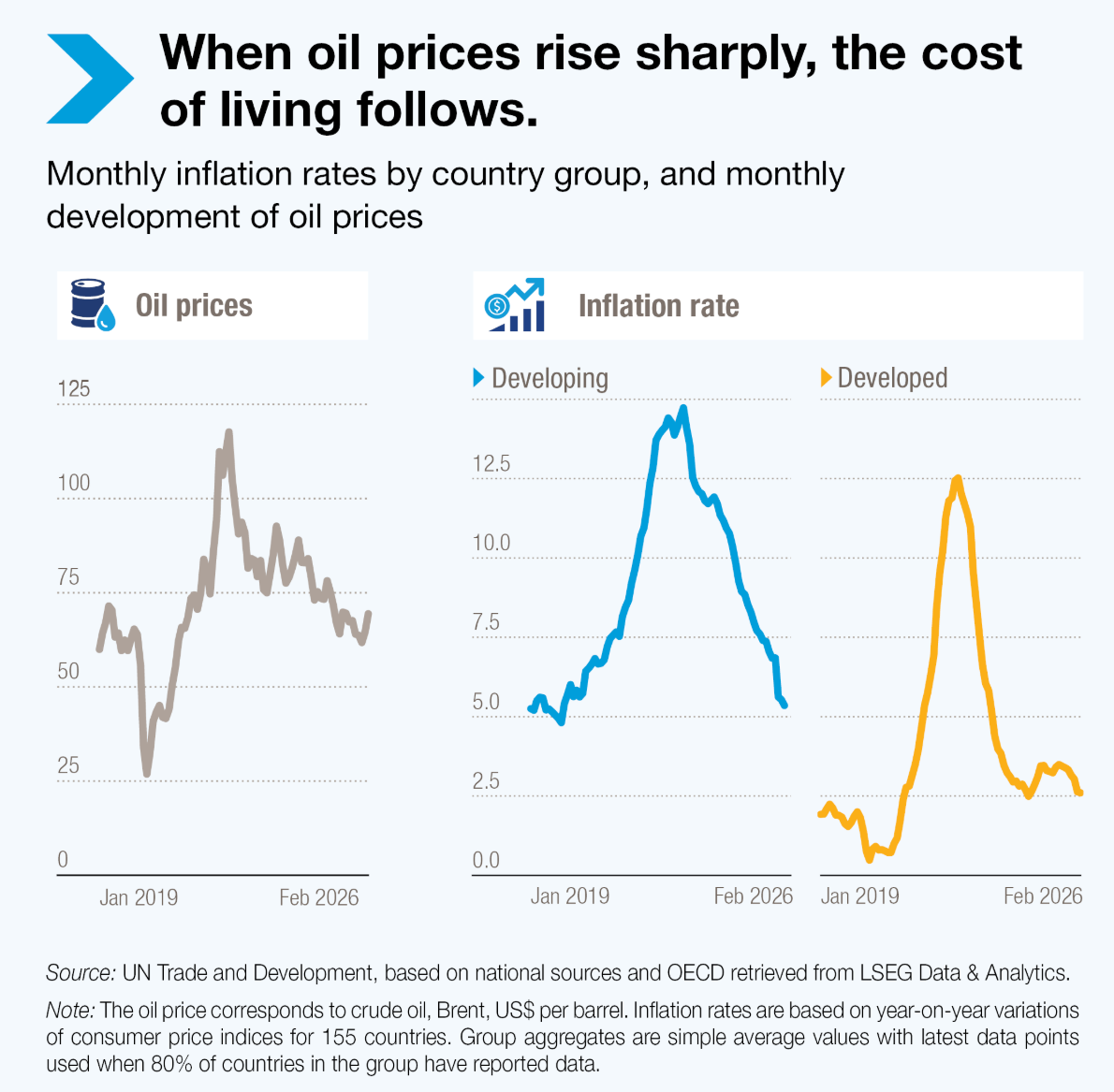
Soaring oil and gas prices may inflate the cost of living, squeezing the livelihoods of the most vulnerable.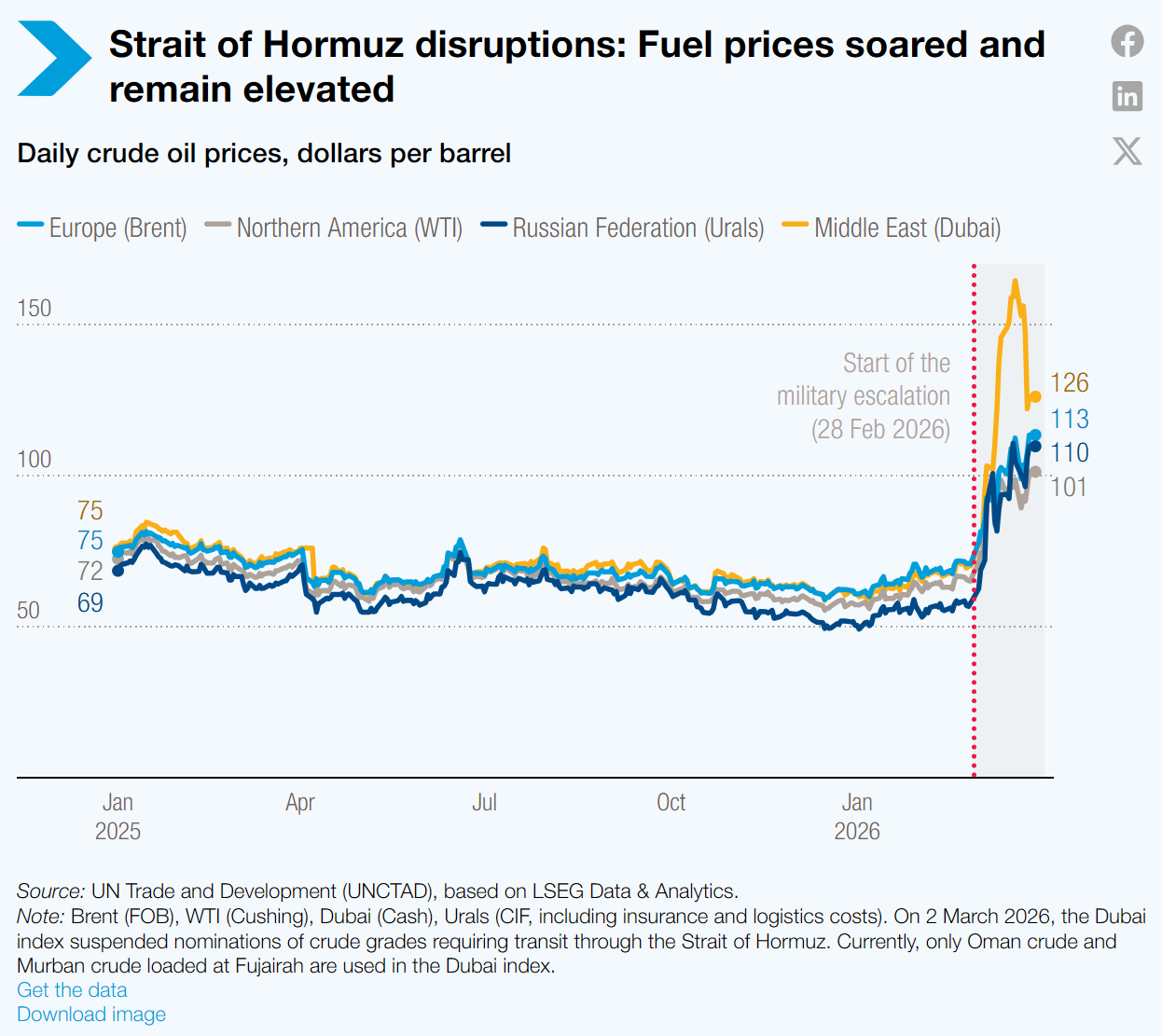
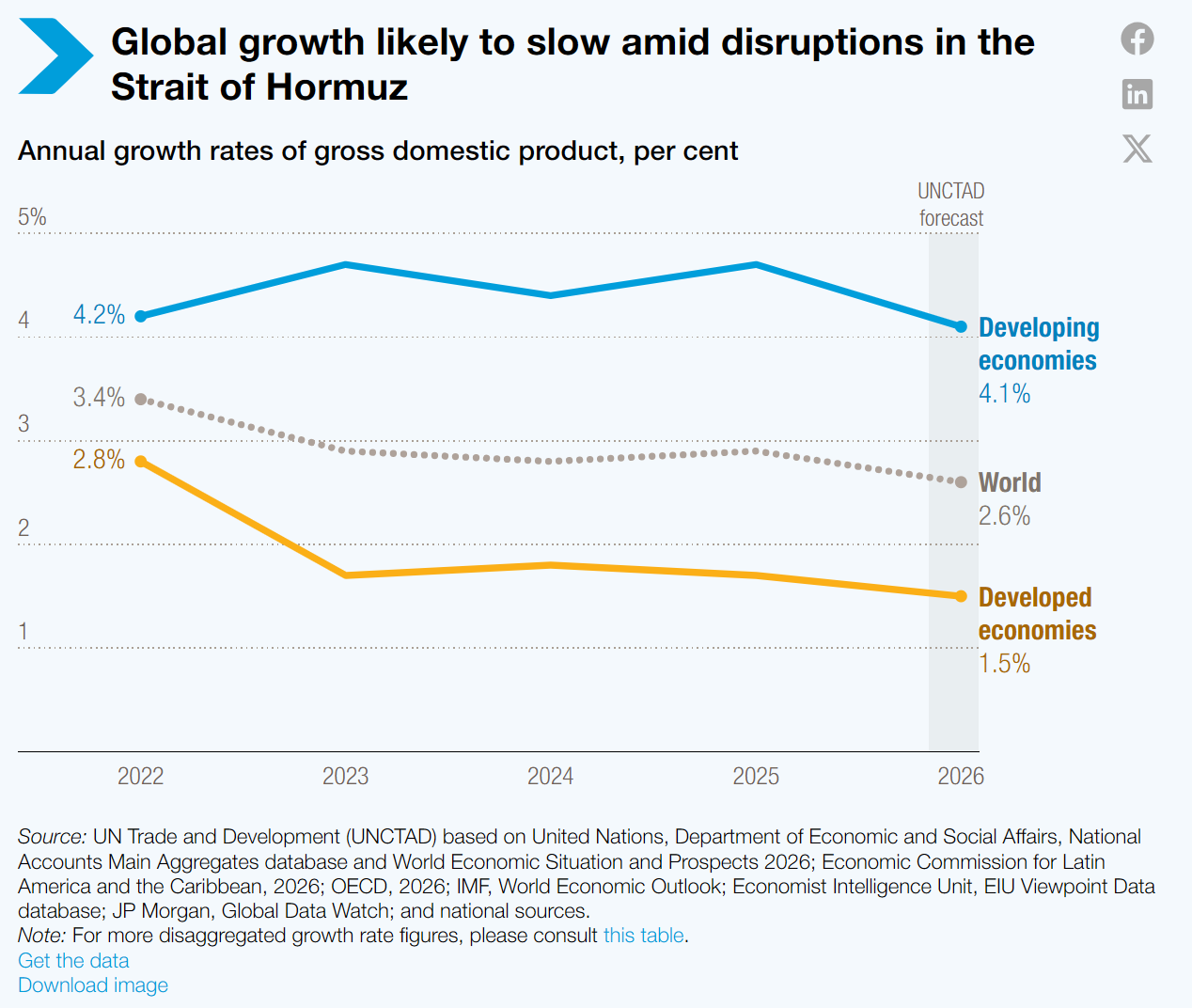
Trade and growth are expected to slow in 2026.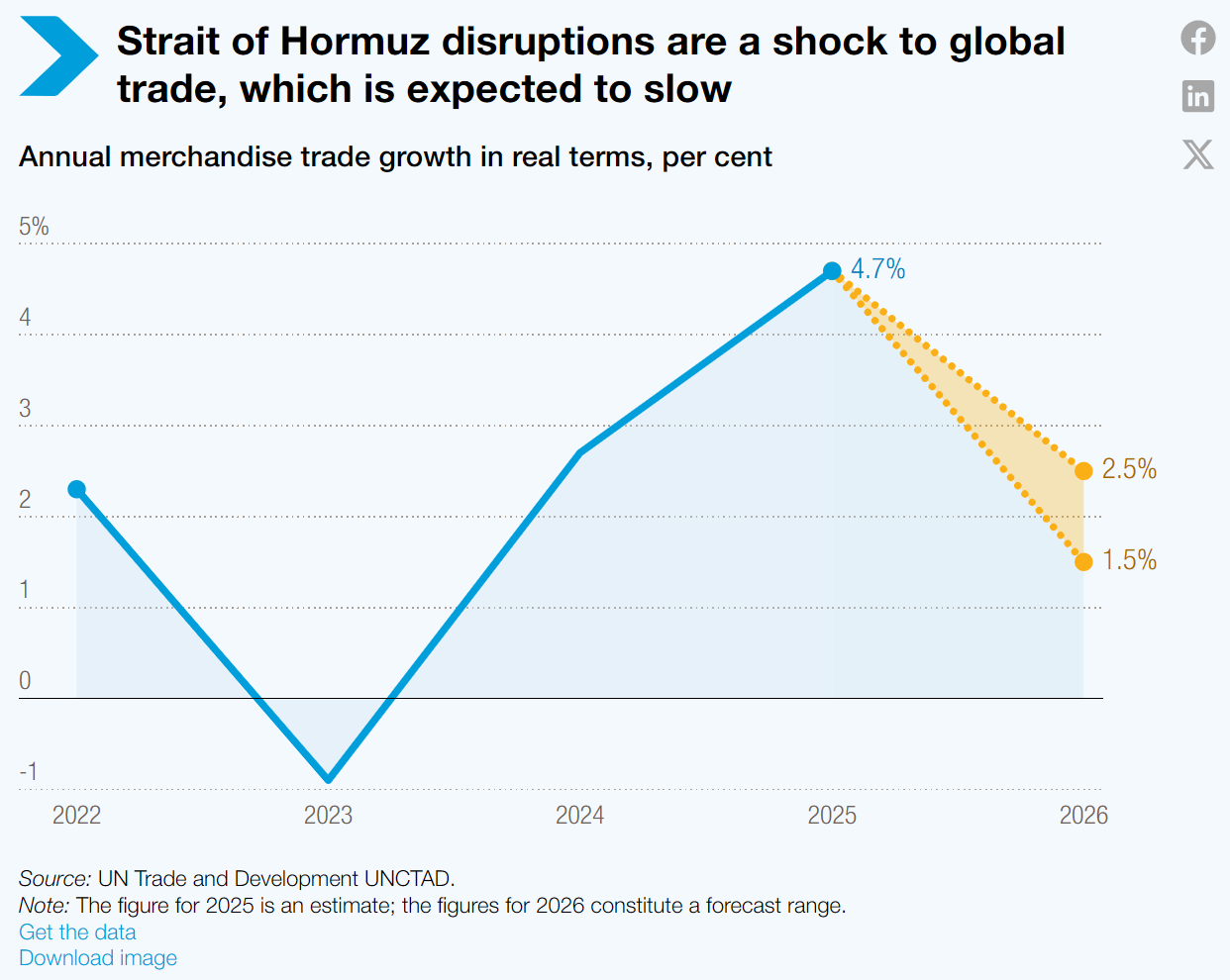
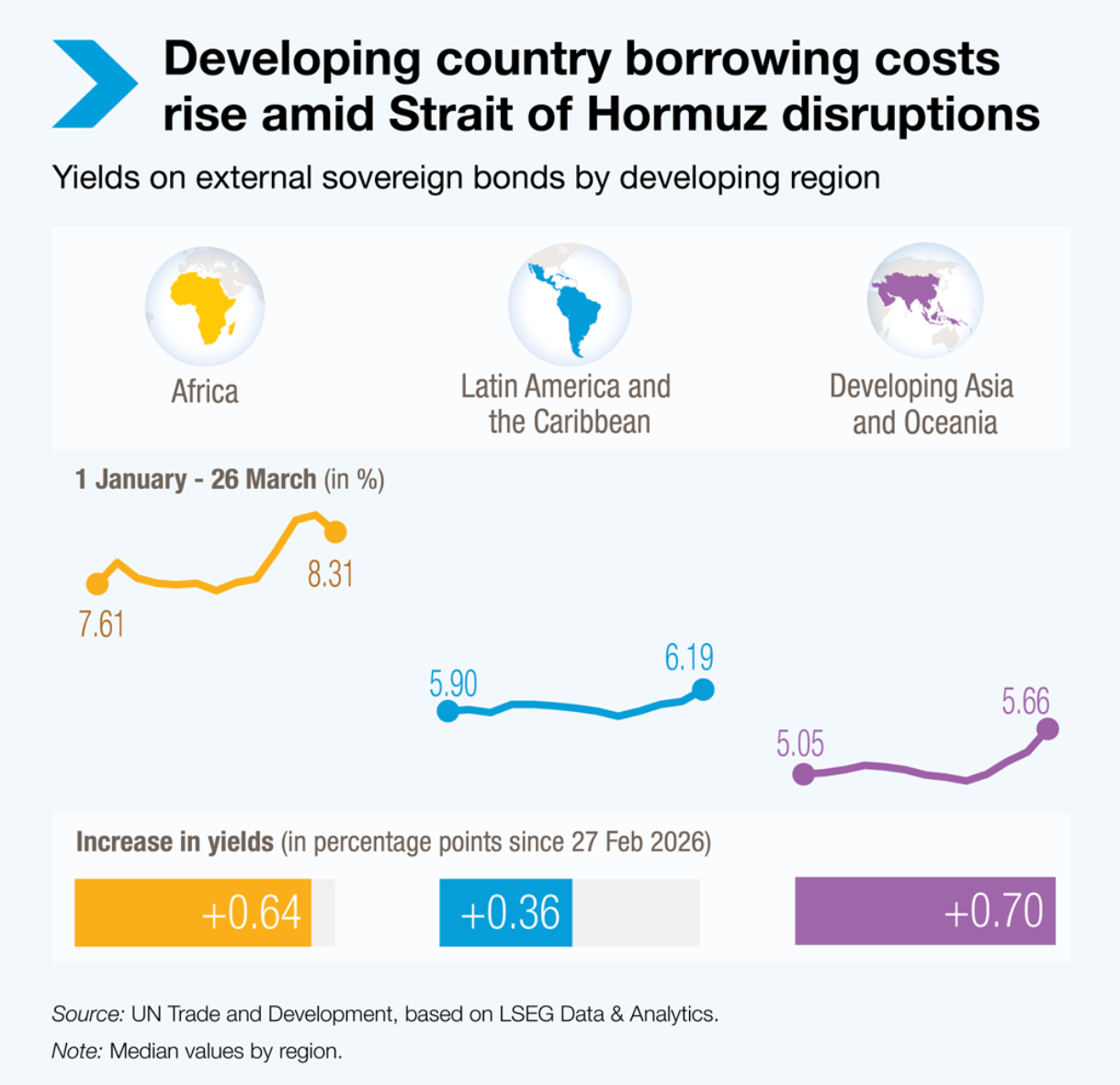
Financial ramifications for developing countries include falling stock prices, weakening currencies, and rising cost of external debt.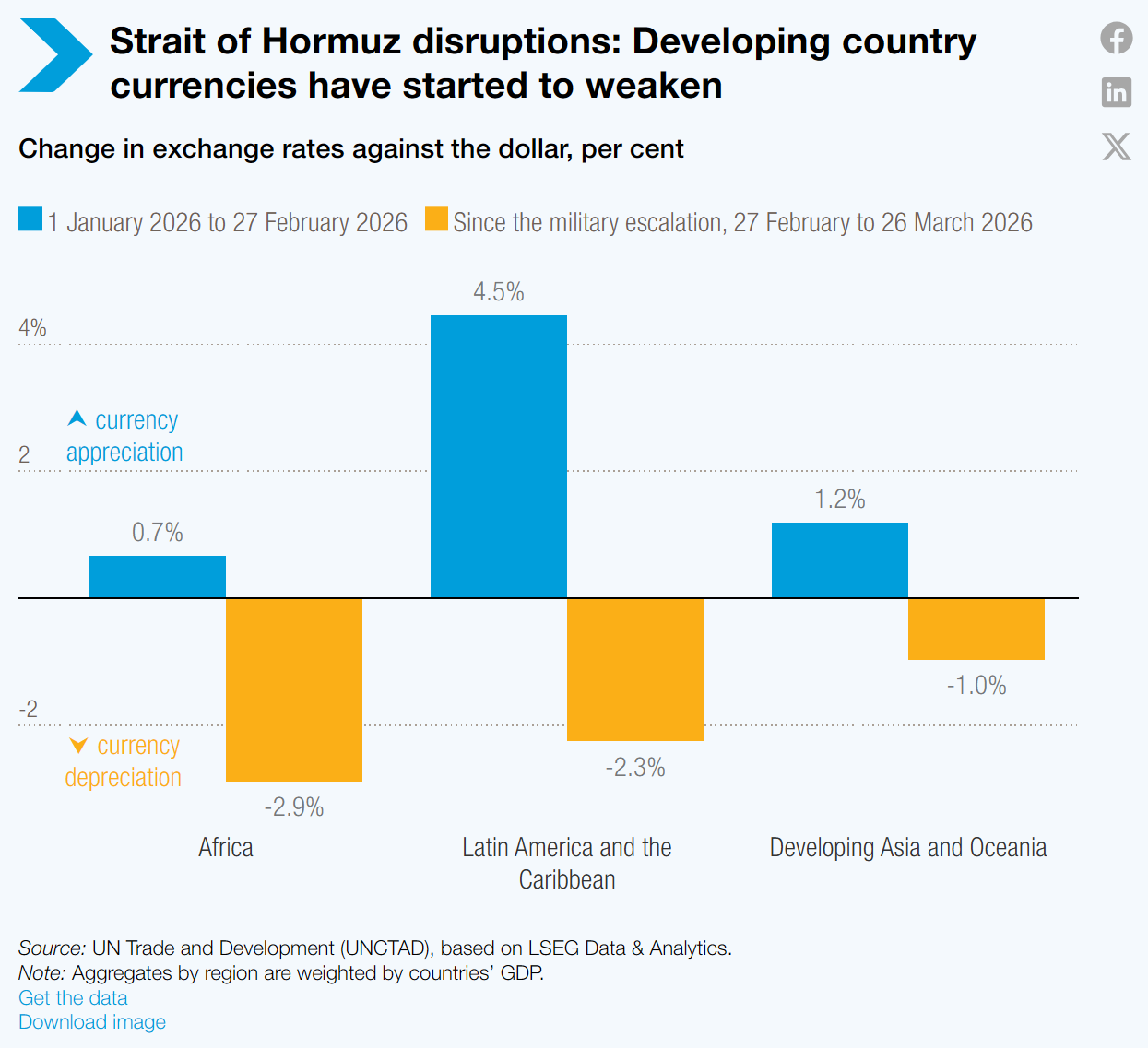
If the military escalation and disruptions persist, the suffering will extend far beyond the region, translating into widespread economic hardship. At a moment of heightened fragility, de-escalation and the restoration of stability are essential.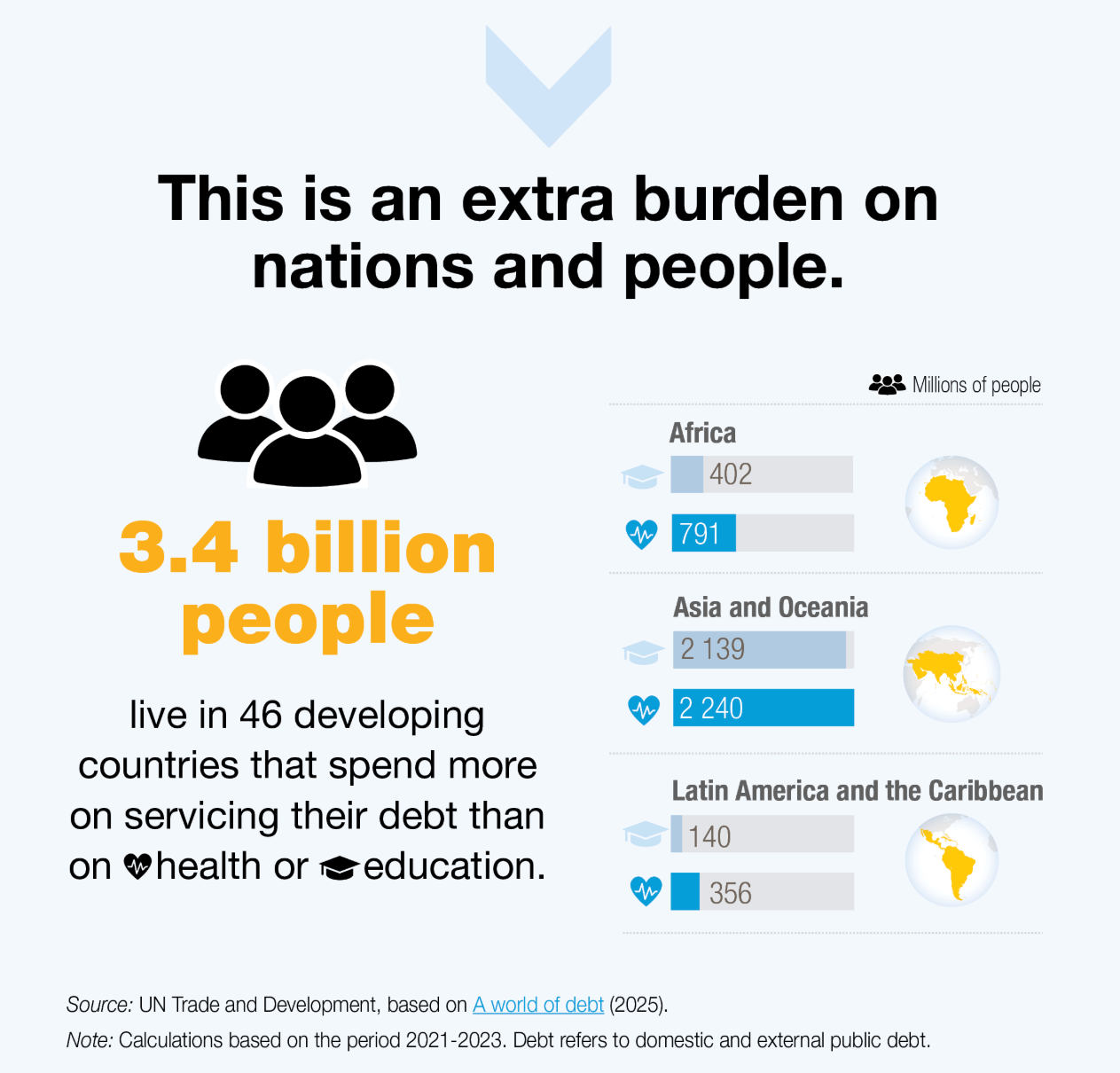
Issues for consideration
- Consider a policy mix to stabilize price levels as inflation pressures rise, particularly for vulnerable populations.
- Implement measures to contain transmission of systemic risks across energy, trade, and finance.
- Enable rapid access to external financing for developing countries for essential imports and debt servicing, potentially through emergency assistance, debt relief, central bank currency swap agreements, and regional financial assistance.
- Empower development banks to provide emergency loans, while bilateral creditors may need to suspend debt service to provide crucial relief to developing nations.
Downloads