WTO members on 3 February considered next steps in advancing work on WTO reform in the lead-up to the 14th Ministerial Conference (MC14) scheduled to take place in Yaoundé, Cameroon, in March 2026. The facilitator on WTO reform, Ambassador Petter Ølberg of Norway, announced that he will launch a reform month on 5 February aimed at discussing a post-MC14 workplan. He underscored that reform must mean change and that WTO reform will be a central element of MC14.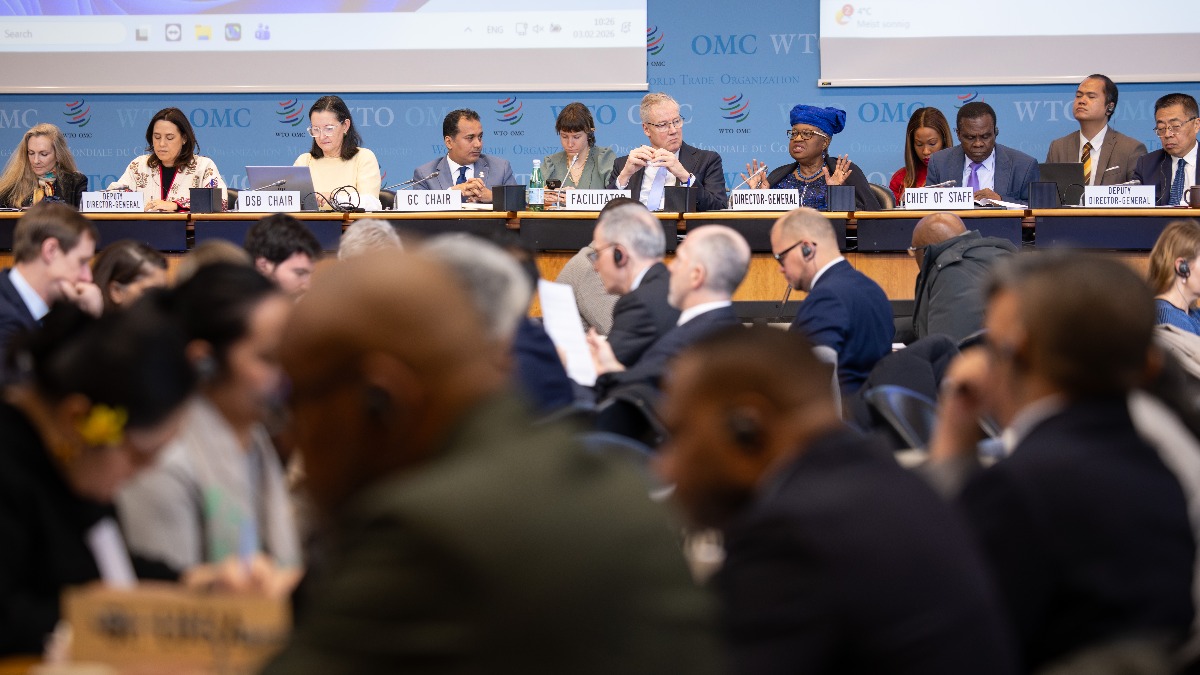
Ahead of the meeting at the WTO, Ambassador Ølberg shared with members a draft WTO reform workplan for the period after MC14. Starting with a short draft ministerial statement on WTO reform, the workplan sets out the scope of the work for the areas where members have recently focused their initial efforts - decision making, development and special and differential treatment, and level playing field issues.
The facilitator highlighted that the suggested workplan remains "flexible", allowing members to add any reform-related topic in the future to ensure institutional agility. The current workplan also addresses dispute settlement reform.
At MC14, WTO members will seek ministers' endorsement of a workplan to guide work after the ministerial conference. Members will also begin preparations for a high-level political exchange amongst ministers on WTO reform at MC14.
Ambassador Ølberg commended members for their constructive engagement, including during the "Reform Week" and the General Council in December, and through written submissions. The European Union and Paraguay presented their recently circulated submissions on WTO reform at the meeting.
Earlier, at the December General Council meeting, and based on his consultations with members, Ambassador Ølberg recommended that ministers should engage in a focused ministerial-level discussion on the foundational and pressing systemic issues that many members have identified as essential. He also said they should endorse a balanced and forward-looking plan for post MC14 reform work. In addition, he recommended that ministers should endorse clearly defined checkpoints to guide and assess progress. He also recommended they should endorse appropriate modalities to enable concrete and effective reform following MC14.
At the 3 February meeting, the Director-General also presented a revised "Roadmap to Yaoundé - MC14 Schedule of Sessions", which took into account feedback and suggestions from members following her consultations with the membership in January. The roadmap includes breakout sessions on WTO reform where ministers can have a dialogue on issues relevant to the WTO reform process. It also includes other trade topics where delegates would like to see ministerial engagement.
Further consultations on the reform workplan will take place with all members on 5, 9, 10 and 16 February, with listening-in rooms available. Another round of group consultations will be organized to finalize the workplan and to discuss the framing of ministerial conversations in breakout sessions, including key questions for ministers, in Yaoundé.
The facilitator said the aim should be to agree on a workplan at the General Council meeting in March to be transmitted to the Ministerial Conference.