WTO members took part in an interactive session of the Committee on Trade and Environment on 29 January to continue discussing how best to facilitate trade while navigating diverse carbon emissions measurement methodologies. Building on the fruitful discussions held in October and December on the importance of strengthening transparency in this area, members engaged in in-depth exchanges on concrete ways to improve transparency, including by considering ideas put forward in new proposals.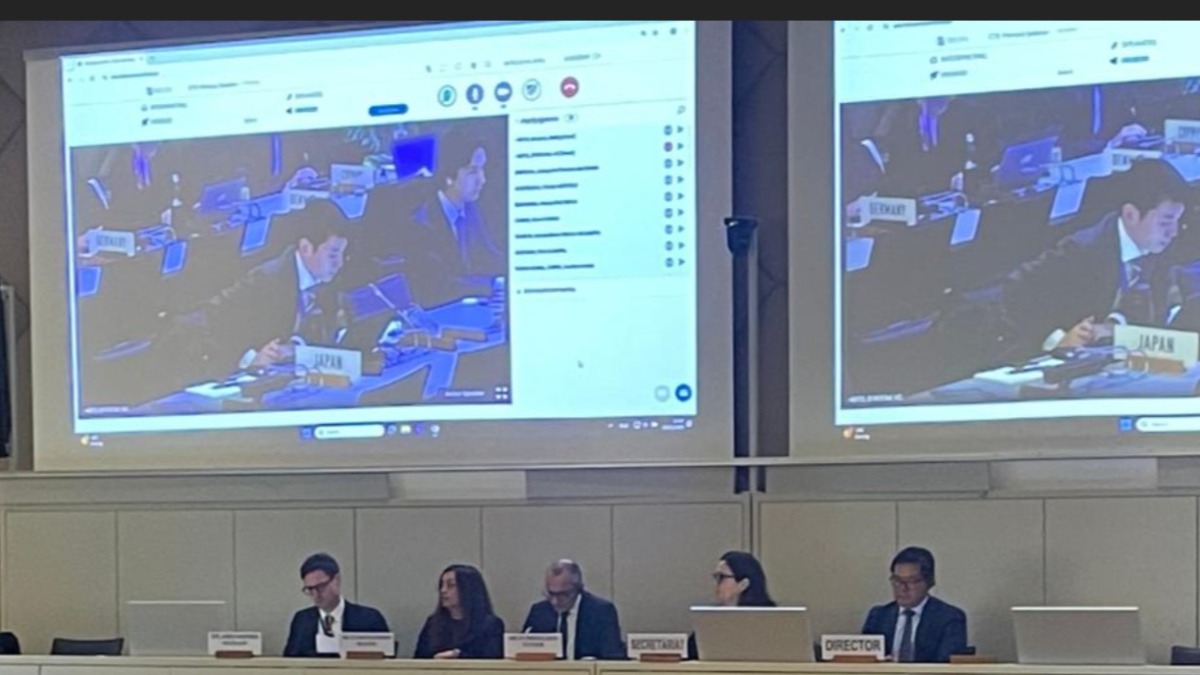
In his opening remarks, the Chair of the Committee, Ambassador Erwin Bollinger of Switzerland, noted members' active engagement in the first two interactive sessions and highlighted the strong interest in continuing discussions on approaches to enhanced transparency.
Japan presented its revised proposal for a voluntary information-sharing template aimed at improving transparency in emissions measurement measures. Australia provided an illustrative example applying Japan's template to its new vehicle efficiency standards. China presented a proposal entitled "Suggestions for Advancing Concrete Discussions on Carbon Standards within the WTO."
Ambassador Sumathi Balakrishnan of Malaysia and Deputy Permanent Representative James Anderson of New Zealand - each in their personal capacity - joined Ambassador Bollinger in moderating the subsequent breakout group discussions.
All three breakout groups organized their discussions around a set of guiding questions, including how to effectively share additional information in the Committee without duplicating existing WTO notification obligations, the scope of information to be shared, and the possibility of piloting such voluntary information-sharing in the Committee in 2026. Members were also encouraged to consider the perspective of developing members in the process, as well as the linkages between increased transparency requirements and interoperability.
Reporting back on the group discussions, the three moderators noted that all members recognized the importance of enhanced transparency as essential to improving understanding of emerging trade and climate measures, enhancing predictability for business and other stakeholders, and supporting cooperation across diverse policy approaches. Many highlighted the role that the Committee could play in providing valuable information. The development dimension was also emphasized by many members.
While some members favoured an agreed template for the Committee (for instance, along the lines of Japan's template) that could be updated in light of experience, others preferred to keep a flexible approach. Some suggestions and comments were also offered on the format, content and process for applying the template for voluntary information-sharing.
In conclusion, Ambassador Bollinger thanked members for their dynamic and pragmatic engagement on enhancing transparency in the Committee. More reflection and work - possibly on the margins of the upcoming Committee meeting in February - will provide an opportunity to advance information sharing in the Committee.