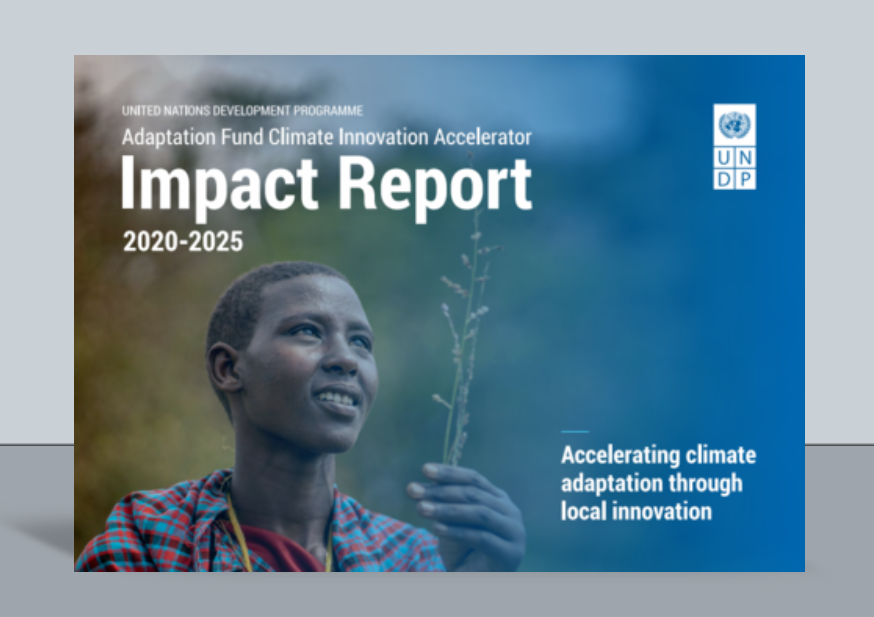
The report shows how small, flexible grants—paired with technical support, business coaching and investment brokering—can unlock transformative change. 59 percent of supported organizations now generate revenue, 14 percent created entirely new markets and many advanced early-stage ideas into viable, scalable models. Communities restored more than 29,000 hectares of land, improved livelihoods for over 21,700 households and piloted 12 climate innovations, from Indigenous seed banks to floating farms.
The findings reinforce a core principle: sustainable adaptation is most effective when local people lead. Women, Indigenous groups, youth entrepreneurs and cooperatives drive solutions, blending traditional knowledge with emerging technologies such as digital fisheries platforms and picture-based insurance for smallholder farmers.
The report also highlights a growing ecosystem for adaptation innovation. Partnerships with the Adaptation Fund, the European Union, universities, accelerators and financial institutions help address the “missing middle” in climate finance and point toward future blended finance solutions.
As climate impacts intensify, UNDP-AFCIA’s experience offers practical guidance for inclusive, replicable and scalable adaptation. A complementary AFCIA Impact Report by UNEP-CTCN highlights additional innovations and lessons; together, the two reports present a comprehensive view of AFCIA’s impact across the Global South.